Cologuard

Cologuard TV Commercial, 'Around the House: $0'
Cologuard
Cologuard offers an at-home colon cancer test intended for individuals 45 years and older at average risk. A woman says that she took the advice and asked her doctor to order Cologuard and a box containing the test was delivered to her home.

Cologuard TV Commercial, 'No More Excuses: Screening'
Cologuard
Cologuard is a non-invasive colon cancer screening test for adults over the age of 45 who would prefer an at-home screening test.

Cologuard TV Commercial, 'Remote'
Cologuard
Cologuard is a non-invasive colon cancer screening test which is capable of detecting the presence of cancer in people above the age of 50 and aren't at high risk.
Cologuard TV Commercial, 'Excuses'
Cologuard
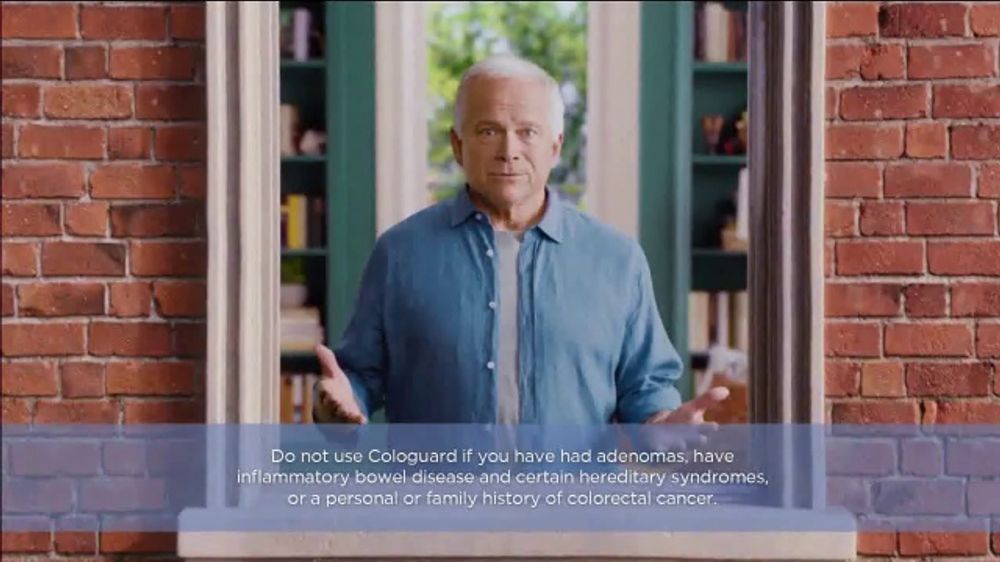
Cologuard says there are a lot of excuses to why not to get screened for colon cancer. It offers a non-invasive alternative that it says can identify 92 percent of colon cancers so you don't need to make excuses.

Cologuard TV Commercial, 'Around the House'
Cologuard
Cologuard offers an at-home colon cancer test intended for individuals 50 years and older at average risk. A woman says that she took the advice and asked her doctor to order Cologuard. A box containing the test was then delivered to her home. Most major insurers and Medicare are said to cover Cologuard.

Cologuard TV Commercial, 'Opening Doors With Cologuard'
Cologuard
Cologuard believes that turning 50 opens plenty of new doors, one being your doctor recommending colon cancer screenings. Cologuard is an at-home colon cancer and pre-cancer test that can be ordered by your doctor and is said to be non-invasive. Most major insurers and Medicare are said to cover Cologuard.

Cologuard TV Commercial, 'On the Porch'
Cologuard
Cologuard thinks it's time for a new screen, but not the kind that goes in a screen door. People over the age of 50 can order Cologuard to screen for colon cancer at home as an alternative to going to the doctor.
Cologuard TV Commercial, 'Tie'
Cologuard
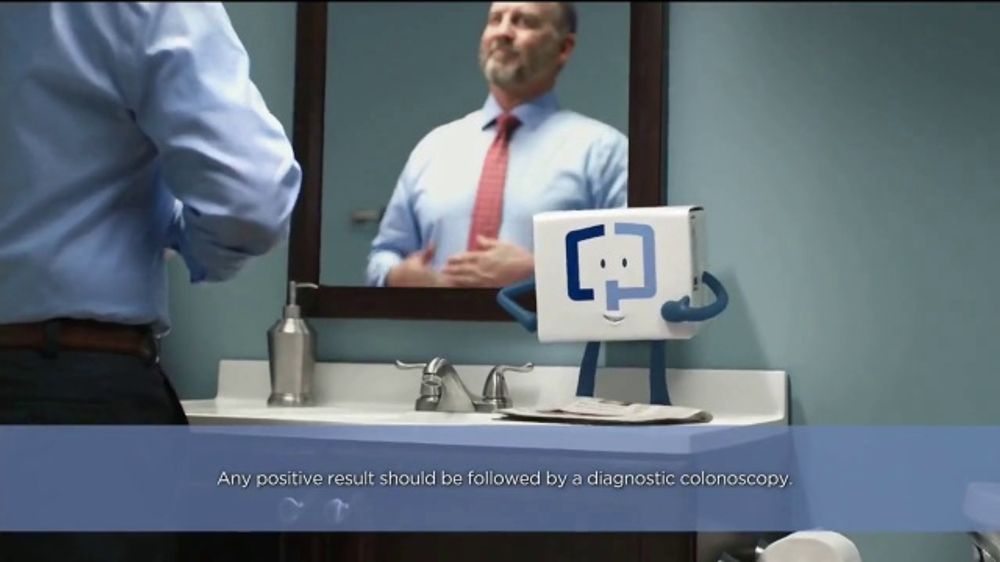
Cologuard is a prescription screening designed to help find a majority of colon cancers. The test is said to be easily done from home and non-invasive. Cologuard encourages people to ask their doctors if the test is right for them.

Cologuard TV Commercial, 'No More Excuses'
Cologuard
Everyone can find an excuse to avoid a colon cancer screening, but Cologuard offers a non-invasive solution that can be performed in the comfort of your own home. If you are over the age of 50 and at average risk for colon cancer, you're encouraged to talk to your doctor about Cologuard as an option for your screenings.

Cologuard TV Commercial, 'Finding Things'
Cologuard
Cologuard is a test designed to help find a majority of colon cancers. The test is said to be easily done from home and non-invasive. Cologard is said to be covered by medicare and most major insurance companies.

Cologuard TV Commercial, 'Stairs: Request'
Cologuard
Cologuard strikes up a conversation with a man on his way to work. As the two take the stairs instead of the elevator, Cologuard says the man clearly takes good care of himself and that screening for colon cancer should be no exception. Cologuard is a prescription test designed to help find colon cancers in qualifying patients.
Cologuard TV Commercial, 'Stairs'
Cologuard
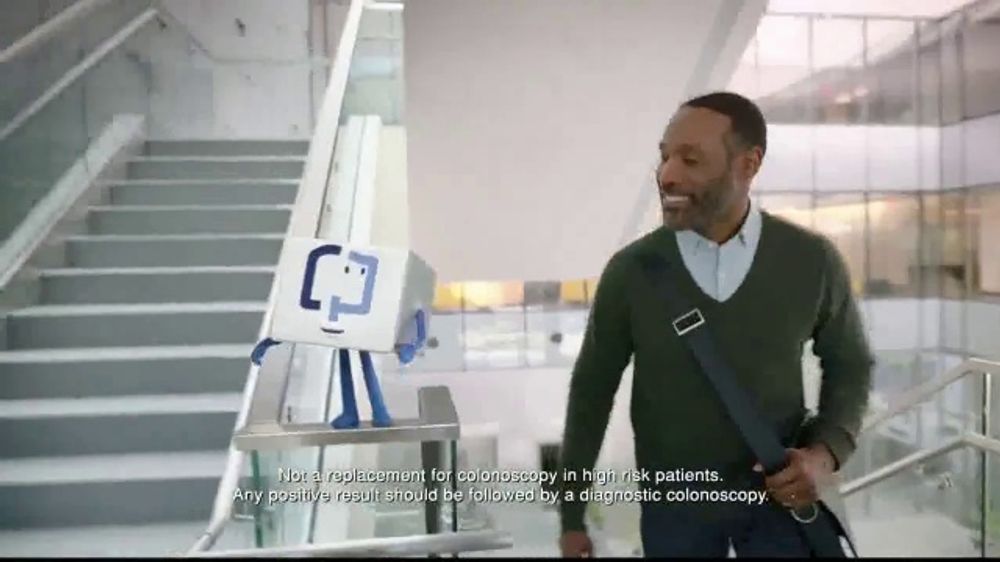
Cologuard strikes up a conversation with a man on his way to work. As the two take the stairs instead of the elevator, Cologuard says the man clearly takes good care of himself and that screening for colon cancer should be no exception.

Cologuard TV Commercial, 'Home'
Cologuard
We're all staying home right now and finding new ways to take care of ourselves both mentally and physically. People over the age of 45 can still get a colon cancer screening from Cologuard which can be taken at home.

Cologuard TV Commercial, 'Colon Cancer Screening Made Easy'
Cologuard
An animated Cologuard box explains how you can test for colon cancer at home. The screening is non-invasive and works on average risk individuals aged 50 and up. Steps include having your doctor order Cologuard, taking a stool sample and sending it off to a lab where your DNA will be tested for cancer and pre-cancer.